

You are sitting at your desk on the first of the month.
You log into your bank account.
You watch the balance drop. It is a physical sensation. A tightness in your chest. You see the line items hit. The rent. The cloud hosting. The CRM. The marketing agency retainer. The lawyer’s bill.
It feels like a hemorrhage.
For a first-time founder, this moment is often accompanied by a sense of helplessness. You view these expenses as the cost of doing business. You treat them like the price of milk at the grocery store. You see a price tag, and you assume that is what you must pay.
But here is a secret that experienced operators know.
Business is not a grocery store.
Business is a bazaar.
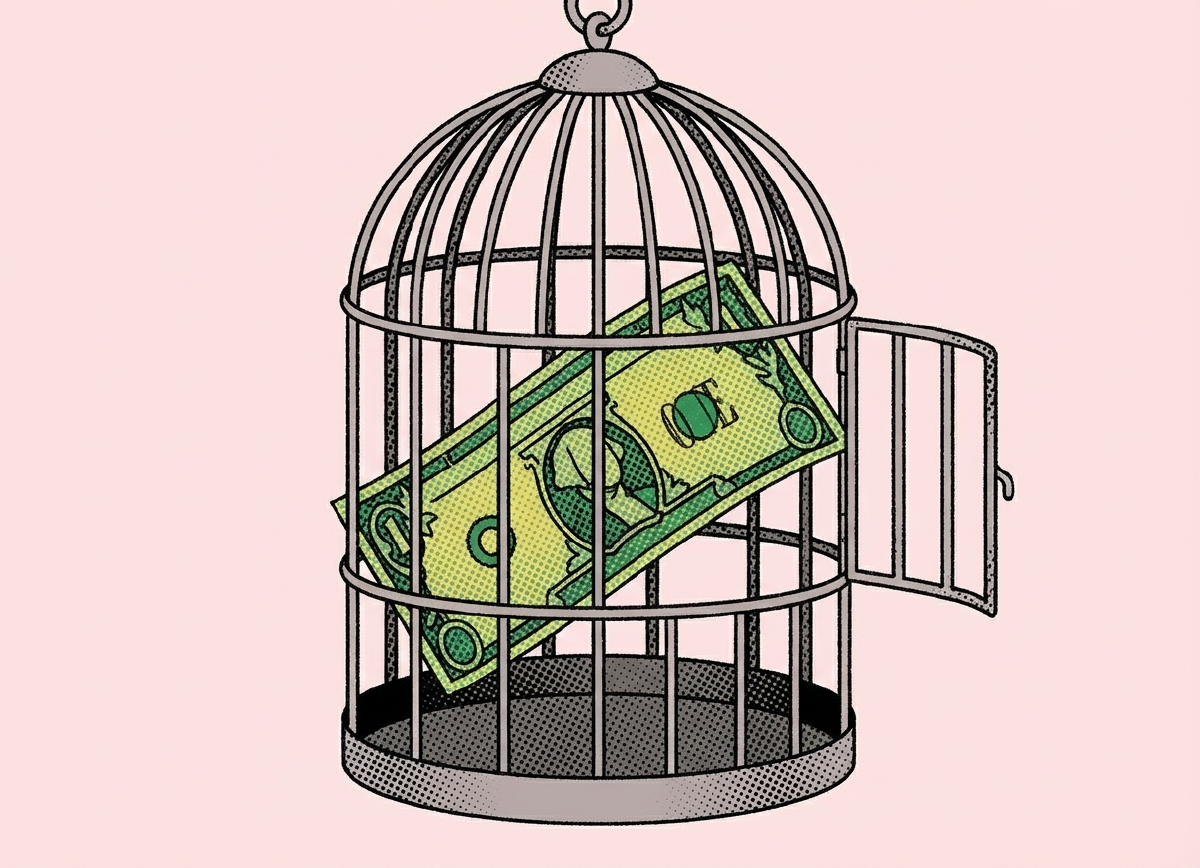
Almost every price is made up. Almost every term is negotiable. And every dollar that leaves your bank account without a fight is a prisoner that you failed to rescue.
This is not about being cheap. It is about survival. In a startup, your runway is your life. If you can reduce your burn rate by twenty percent through negotiation, you might buy yourself three extra months of life. Those three months could be the difference between finding product-market fit and closing up shop.
The Psychology of the Price Tag
#Why do we hesitate to negotiate?
It usually stems from two fears. The fear of looking broke, and the fear of rejection.
We worry that if we ask for a discount, the vendor will think our business is failing. We worry that we will look unprofessional. So we pay the rack rate to signal our success.
This is vanity.
The largest companies in the world negotiate the hardest. Walmart does not pay the sticker price. Apple does not pay the sticker price. They squeeze every cent out of their supply chain because they understand the compounding power of margin.
You must understand the vendor’s psychology. especially in the world of SaaS (Software as a Service) and professional services.
The marginal cost of adding one new user to a piece of software is near zero. Whether you pay them fifty dollars or one hundred dollars, it is almost pure profit for them. Their goal is not to maximize the price of every single deal. Their goal is to acquire the customer and keep them forever.
They are terrified of churn.
Once you understand that their pricing model is built on retention, not just acquisition, you realize you have leverage. They want you on the platform. They want your logo on their website. They are willing to bend to get you there.
The Art of the Ask
#So how do you actually do it?
You do not need to be aggressive. You do not need to bang your fist on the table. You simply need to align your problem with their solution.
The most effective negotiation technique is the “Budget Constraint.”
It works like this.
You are on a call with a sales rep. They quote you a price of ten thousand dollars a year. Instead of saying “that is too expensive,” which is a subjective opinion, you refer to an external constraint.
You say, “I love the product. I really want to move forward. But my budget for this specific function is capped at seven thousand dollars. Is there any way we can make that work, or should I look at a different tier?”
This removes the ego from the conversation. You are not attacking their value. You are simply stating a fact about your resources. You are asking them to help you solve a puzzle.
Suddenly, the sales rep is on your side. They want to close the deal to hit their quota. They will go back to their manager and fight for you. They will find a “special discount” or a “founder’s tier” that did not exist five minutes ago.
This applies to more than just software.
When dealing with lawyers or accountants, ask for a cap. Hourly billing is a blank check. It is terrifying. Ask for a project rate. Say, “I need this contract reviewed, and I have a budget of five hundred dollars. Can you do it for that?”
If they say no, you have learned something valuable. You have learned that they are too expensive for you right now. You can move on without wasting hours of their time or yours. Or they will reveal what they think and that’s a second piece of valuable information.
The Leverage of Time and Terms
#Price is not the only variable you can negotiate. Sometimes, the vendor truly cannot lower the dollar amount. But you can still rescue your cash flow by negotiating the terms.
Cash flow is oxygen.
If a vendor demands payment upfront, they are taking oxygen out of your room. You can negotiate for Net 30 or Net 60 terms. This means you get the service now, but you pay in thirty or sixty days.
Why does this matter?
Because it allows you to keep that cash in your account for an extra month. In a high-growth environment, having liquidity is worth more than the small interest you might earn.
Conversely, if you have cash in the bank, you can use it as a weapon.
Most vendors offer a standard ten or twenty percent discount for annual prepayment. But you can push for more. You can say, “I can wire the full year’s payment today, right now, if we can get the price down to X.”
Cash today is worth more to them than a promise of cash tomorrow. They might take the deal to boost their own quarterly numbers.
But be careful. Prepaying locks you in. Only do this for tools or services you are one hundred percent sure you will use for the next twelve months.
The Renewal Trap
#The most dangerous negotiation is the one that never happens.
It happens when you sign up for a service and forget about it. Then, a year later, the auto-renewal hits. Often with a five or ten percent price increase baked into the fine print.
This is called the “Lazy Tax.”
You must track your renewal dates. Put them in your calendar. Set an alert for thirty days before the renewal.
When that alert goes off, you email the vendor. Even if you are happy with the service. Even if you plan to stay.
You email them and say, “Our contract is coming up for renewal. We are reviewing our tech stack and looking at competitors to reduce costs. I would love to stay with you, but I need to see if we can do better on the rate.”
This signals that you are a flight risk.
Remember, churn is their nightmare. It costs them five times as much to find a new customer as it does to keep you. They will often offer a retention discount just to keep you from looking around.
The Relationship Factor
#There is a caveat to all of this.
Negotiation is a human interaction. You are dealing with people. If you are rude, arrogant, or impossible to please, no amount of leverage will help you.
No one wants to do a favor for a jerk.
Your goal is to be “tough but fair.” You want to be the customer they like, but the customer they respect.
You should also consider the size of the vendor. If you are negotiating with Salesforce or Microsoft, you are a rounding error. You use the tactics above, but you accept that their bureaucracy has limits.
If you are negotiating with a small agency or another startup, you have more room, but you also have a moral responsibility. Do not squeeze a small partner so hard that you put them out of business. That is not a win. That is a liability.
You need your partners to be healthy enough to serve you.
We also need to acknowledge the unknowns. We do not always know the internal pressures of the vendor. Maybe they are about to be acquired and cannot change their standard contract. Maybe their sales rep has zero authority to discount.
In those cases, you have to decide if the value is worth the price. And sometimes, the answer is yes.
The Fiduciary Mindset
#Ultimately, this comes down to how you view your role.
You are not just the person with the idea. You are the capital allocator. You have a fiduciary duty to your company, your investors, and your employees to spend money wisely.
Every dollar you save on a software contract is a dollar you can spend on product development. Every dollar you save on rent is a dollar you can spend on marketing.
So the next time you see a price tag, pause.
Do not just reach for the credit card. Ask the question. Send the email.
Treat that dollar like a prisoner.
And go rescue it.