


Zero Trust is a security model based on a simple premise. Never trust and always verify.
In the past, organizations relied on perimeter security. If a user or device was inside the office network, they were trusted. Zero Trust assumes that threats exist both inside and outside the network. It removes implicit trust based on physical or network location.
Every access request must be authenticated and authorized. It does not matter if the request comes from the CEO’s laptop in the headquarters or a contractor’s phone in a coffee shop. The system treats every transaction with the same level of scrutiny.
The three pillars of verification
#To understand how this functions in a startup environment, you have to look at the three main verification points. It is not just about a password.
- User Identity: Proving you are who you say you are. This usually involves Multi-Factor Authentication (MFA).
- Device Health: Ensuring the laptop or phone trying to access data is secure, patched, and free of malware.
- Context: Analyzing if the request makes sense. Is the user accessing finance data at 3 AM from a country they have never visited?
This approach reduces the blast radius if a breach occurs. Because users are only given access to the specific resources they need, a compromised account does not give an attacker keys to the entire kingdom.
Comparison to the Castle-and-Moat model
#
Zero Trust works differently.
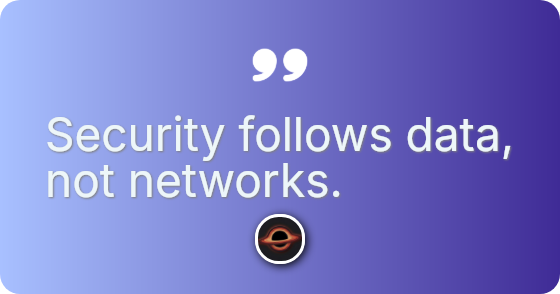
Imagine a building where every single room requires a different key card. Just getting into the lobby does not allow you to walk into the server room or the executive office. The security follows the data, not the network perimeter.
For a startup, the Castle-and-Moat model is outdated. You likely do not have a physical server room. Your infrastructure is in the cloud. Your team is remote. There is no perimeter to defend anymore.
Practical implementation for startups
#Founders often worry that high security means low speed. Zero Trust can actually streamline operations if built correctly from the start. It eliminates the need for clunky VPNs that slow down traffic.
Startups should consider these steps:
- Implement Single Sign-On (SSO) to manage identities in one place.
- Enforce Multi-Factor Authentication everywhere.
- Apply the Principle of Least Privilege. Give employees access only to what they strictly need to do their jobs.
There are questions you must ask as you grow. How much friction is too much for your team? At what point does verification impede innovation? Security is a trade-off.
Zero Trust provides a framework to answer these questions by prioritizing asset protection over network blind spots.