


Building a business from the ground up requires a level of focus that is often missing in popular business media. For the founders who visit iambenschmidt, the goal is not to find a shortcut or a quick exit. The objective is to construct something that provides real value and stands the test of time. This summary highlights recent discussions on the blog regarding the strategic choices that separate successful builders from those who get lost in the noise of the startup ecosystem.
The Realities of Building Without External Capital
#Bootstrapping is often discussed as a fallback plan for those who cannot raise money. In reality, it is a strategic discipline. It forces a founder to confront the truth about their product immediately. When you do not have a large cushion of venture capital, every customer interaction and every dollar spent carries significant weight. This environment creates a natural filter for bad ideas. If a feature does not provide value, you cannot afford to keep building it. If a marketing channel does not convert, you cannot afford to keep funding it. This pressure is not a burden; it is a mechanism for clarity. We have seen that startups focusing on these fundamentals early on are much better positioned for long term sustainability than those that rely on external injections to stay afloat.
Distinguishing Between Growth Fuel and Market Validation
#One of the most dangerous misconceptions in the startup world is the idea that raising venture capital is a form of validation. It is not. A venture capitalist is buying a piece of your company based on a projection of future value. A customer is buying your product because it solves a problem today. These are two entirely different signals. Confusing them can lead to a situation where a company scales up operations before they have actually proven that anyone wants what they are building.

In our recent exploration of this topic, we looked at how capital should be viewed strictly as fuel. Fuel is only useful if you already have an engine that works. If you pour fuel onto a pile of sticks, you get a fire that burns out quickly. If you put it into a well built engine, you get movement. Founders must be disciplined enough to ensure their business model is functional before they look for the fuel to speed it up. This means looking for repetitive sales, customer retention, and organic growth as the primary markers of success.
To dive deeper into how to avoid the pitfalls of early funding, you can read more about the venture capital trap.
For a bootstrapped founder, the bank account is the ultimate scoreboard. Survival depends on the ability to manage every single dollar with a high degree of intentionality. This does not mean being cheap. It means being efficient. It requires a mindset where every expense is viewed through the lens of survival and growth. Negotiating with vendors, optimizing subscriptions, and delaying non-essential hires are all parts of this discipline.
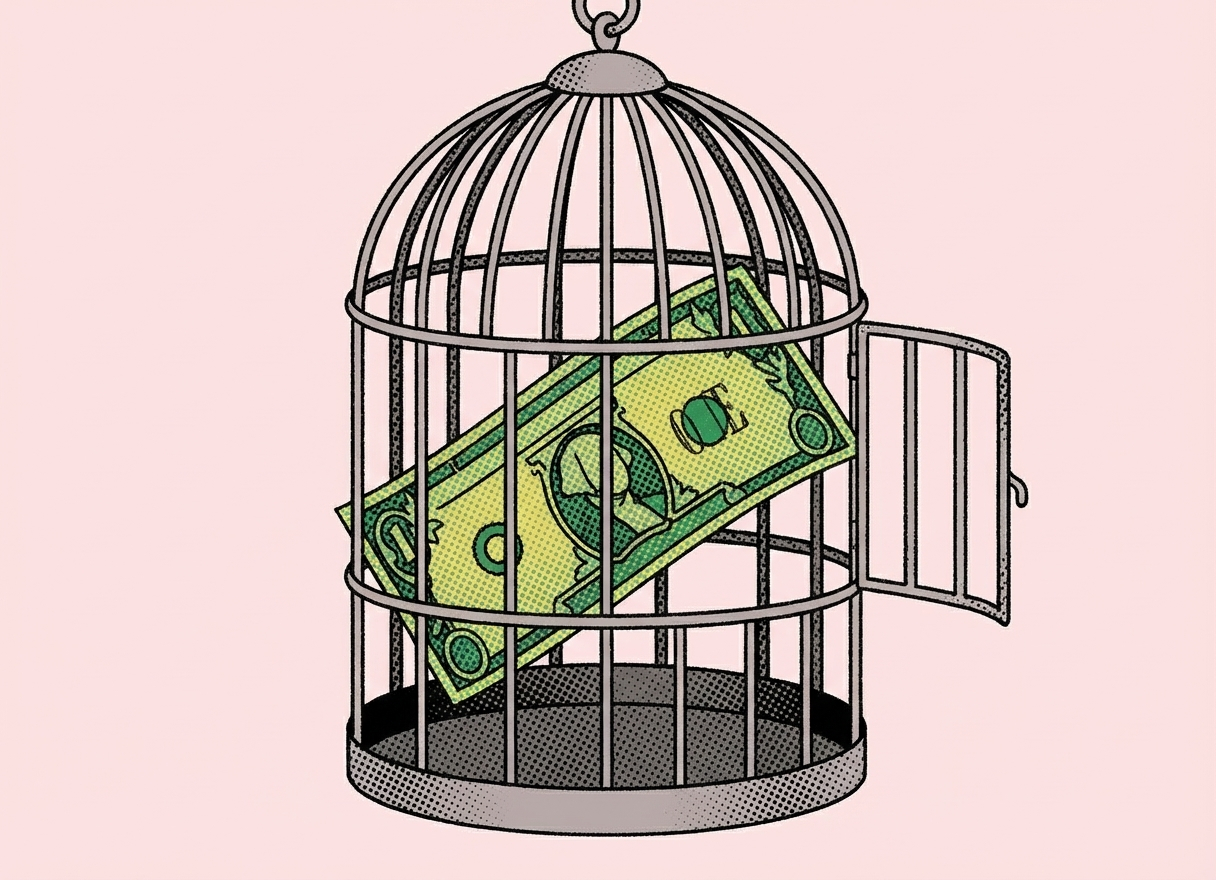
We recently discussed the concept of treating every dollar like a resource in a high stakes environment. The goal is to extend the runway as long as possible to give the product more time to find its place in the market. This often requires founders to get comfortable with uncomfortable conversations. Whether it is asking for better terms from a supplier or cutting a service that is only partially useful, the focus must remain on preserving the ability to keep building. The longer you survive, the more chances you have to succeed.
For practical insights on managing your startup resources, you can learn more about negotiating survival.
Addressing the Core Weaknesses of the Bootstrapped Model
#While bootstrapping offers control and clarity, it also introduces specific weaknesses that founders must address. The most obvious is the lack of speed. Without a large pool of capital, you cannot always hire the best talent immediately or spend heavily on customer acquisition. This can lead to a slower growth trajectory, which might allow competitors with deeper pockets to move into your space.
To address this, founders should:
- Focus on niche markets that are too small for large, funded competitors to care about initially.
- Build a culture of high efficiency where one person can perform the work of three through better tools and processes.
- Prioritize customer relationships to create a moat of loyalty that capital cannot easily buy.
- Maintain a lean operational structure so that the company can pivot quickly without the baggage of heavy overhead.
Another weakness is the risk of founder burnout. When you are the primary source of labor and funding, the mental toll is significant. Addressing this requires a rigorous approach to personal productivity and setting clear boundaries to ensure the founder remains a viable asset to the company over the long term.
Why Movement Outperforms Debate in Every Scenario
#In the startup environment, there is a constant temptation to debate every decision. Founders often spend weeks discussing pricing strategies, feature lists, or brand colors. While some planning is necessary, debate often becomes a form of procrastination. It is a way to avoid the risk of being wrong in public. However, in a startup, being wrong is a vital source of data.
Movement is the only way to resolve unknowns. If you are unsure if a price point is too high, set the price and see if people buy. If you are unsure if a feature is needed, build a minimum version and track the usage. The act of doing provides immediate, objective feedback that a boardroom debate can never replicate. Even if the movement leads to a mistake, you have gained information that allows you to adjust your course. In the time it takes for a competitor to debate their next move, a bias for action allows you to have already tried, failed, and iterated. This speed of learning is the primary advantage of a small, focused team. Do not waste it on theoretical discussions when the market is waiting to give you the real answers.