


You are sweating.
Your palm is damp against the mouse as you hover over the “Join Meeting” button. You have written thousands of lines of code. You have designed complex architectures. You have navigated bureaucratic red tape to incorporate the business.
But now you have to ask someone for money.
For many technical founders and builders, this is the moment the dream starts to curdle. You tell yourself you are not a salesperson. You tell yourself that if the product is good enough, it will sell itself. You tell yourself that you should hire a VP of Sales immediately to handle this uncomfortable human interaction.
This is a mistake.
The data shows that the most effective salesperson in the zero to one million dollar revenue band is the founder. You cannot outsource the initial discovery of value. You have to be in the room.
But how do you do that when you have never sold anything in your life?
The Unfair Advantage of Belief
#There is a misconception that sales is about slick tricks and overcoming objections with linguistic judo. If that were true, the loudest person in the room would always win.
In early stage B2B sales, the buyer is not buying a product. The product is likely half finished and buggy. They are buying you.
They are buying your obsession. They are buying your technical insight into their problem. A hired sales gun can memorize a script, but they cannot answer the deep technical question about the API integration three layers down. You can.

The Founder’s Edge: Why You Are the Best Salesperson You Will Ever Hire
This is your edge. When you speak about the problem, you speak with the authority of the architect. That builds trust faster than any sales technique. You do not need to “sell.” You need to diagnose the problem and demonstrate that you have built the cure.
The Psychology of the Price Tag
#Once you get them to listen, you run into the second wall.
The number.
New founders almost always price too low. You feel like an imposter, so you try to reduce the friction by offering a bargain. You think that if you are cheaper than the competition, you will win the deal.
Paradoxically, in the enterprise world, low prices often kill deals.
Price is a signal. It conveys value. If you walk into a meeting with a Fortune 500 company and offer a solution for five hundred dollars a month that claims to solve a million dollar problem, they will not believe you. They will assume the product is a toy.

The Price Tag is a Signal: Why Low Prices Make Customers Trust You Less
You have to charge enough to hurt. You have to charge enough to signal that you are a serious vendor who will be around in three years to support the software. When you raise your prices, you often find that the quality of your conversations improves. You stop talking to people looking for a discount and start talking to people looking for a solution.
Negotiating for Runway
#You stated your price. They are interested. Now they want to negotiate.
This is where founders often bleed out. You are so desperate to get the logo on your website that you agree to net-90 payment terms. You agree to endless customization. You agree to a fifty percent discount.
You have to view negotiation through the lens of survival. Every dollar you give away is a minute of runway you are deleting from your company’s life.
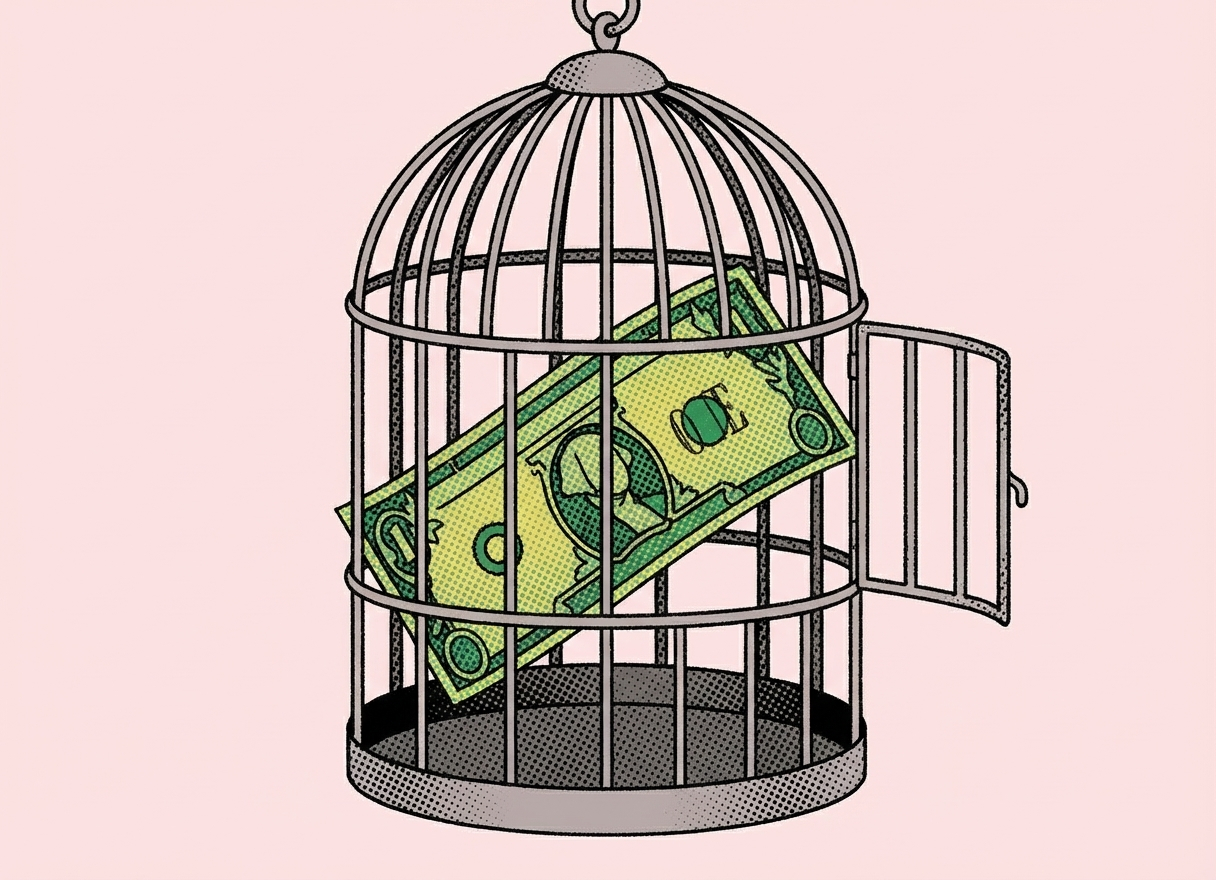
Negotiating Survival: Treating Every Dollar Like a Prisoner of War
Negotiation is not about aggression. It is about resource protection. If a client wants a lower price, what are they giving up? Are they paying upfront for the year? Are they signing a two year deal?
Never give something for nothing. If you discount your product without extracting a concession, you have just told the customer that your list price was a lie.
The Danger of the Whale
#Let us assume you close the deal. It is a big one. It doubles your revenue overnight.
You pop the champagne. You tell your parents.
But you should be careful. You have just introduced a massive structural risk to your business.
When one client represents more than twenty percent of your revenue, they are not a client. They are your boss. If they sneeze, you catch a cold. If they churn, you die.
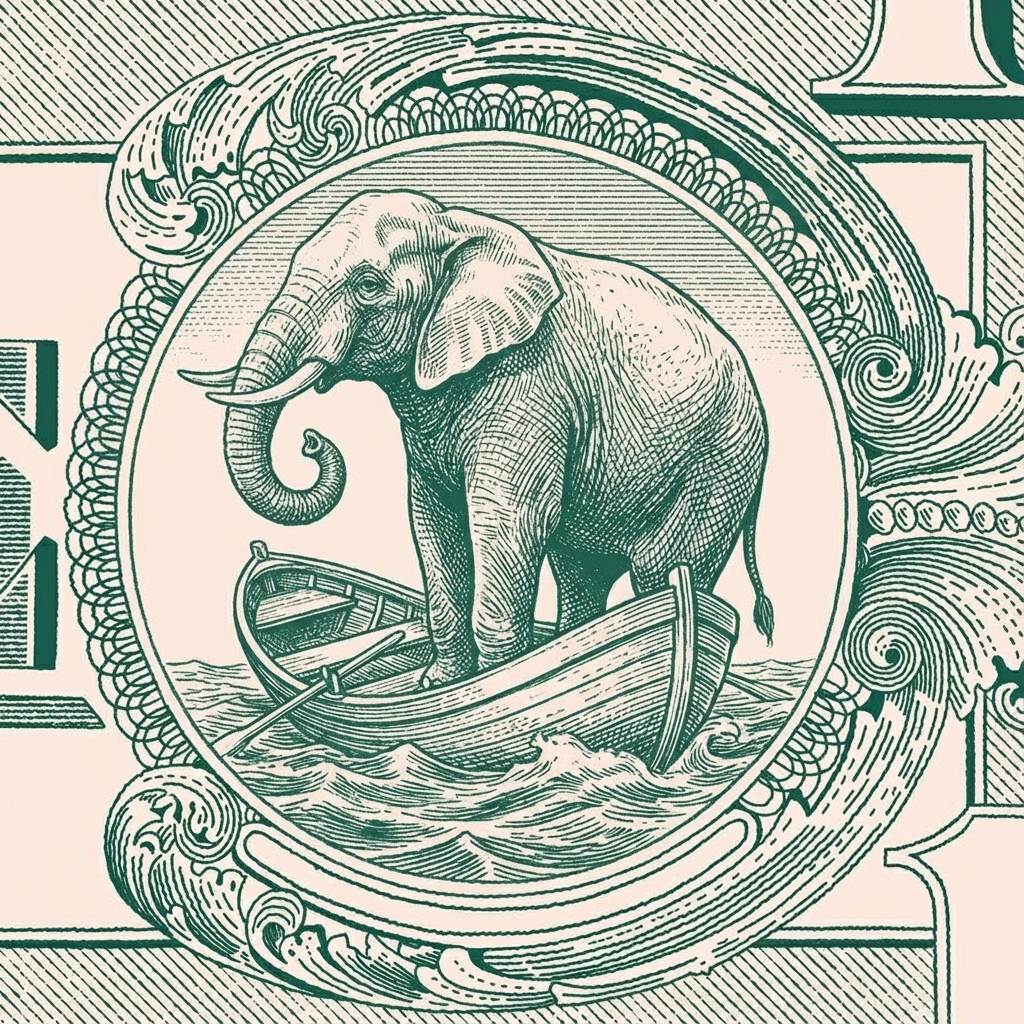
The Gorilla in the Room: How to Survive When One Client Owns Your Soul
Managing a “Gorilla” client requires a different skill set. You have to service them impeccably while simultaneously running as fast as you can to acquire smaller clients to dilute their leverage. You cannot let them dictate your product roadmap entirely, or you will end up building custom software for one user instead of a scalable product for the market.
The True North of Sales
#Finally, we have to look at what happens after the contract is signed.
Many founders think sales ends when the check clears. This is a legacy mindset from the days of selling physical goods. In the subscription economy, the sale is just the starting line.
The real money is not in the first transaction. It is in the Lifetime Value (LTV).
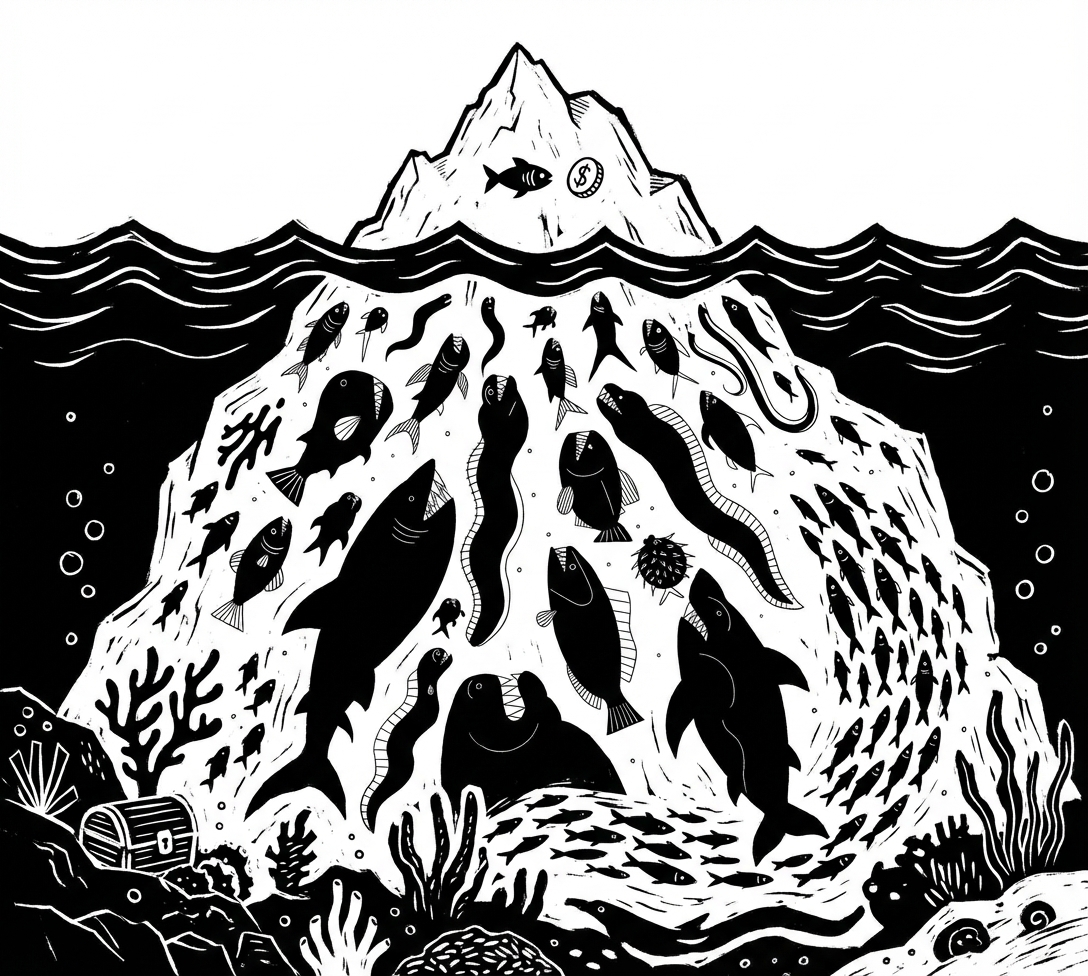
Beyond the First Transaction (LTV)
If you spend ten thousand dollars to acquire a customer and they leave after three months, you have not built a business. You have built a furnace that burns cash.
Your sales process must be aligned with retention. Are you selling to the right people? Are you setting the right expectations? If you oversell the product to close the deal today, you are guaranteeing churn tomorrow.
The Closing Thought
#Sales is not a dark art.
It is an engineering problem. It has variables. It has inputs and outputs. It relies on psychology, economics, and game theory.
You do not need to become a stereotypical salesperson to succeed. You just need to apply the same rigor you use in your code to your commercial strategy.
You built the machine. Now you have to fuel it.