

There is a specific silence that fills a room when a founder stops speaking.
It happens right after you deliver bad news. It happens after you announce a pivot. It happens after you answer a difficult question about the company’s runway.
In that silence, your team is processing. They are not just processing the data you gave them. They are processing the emotional frequency of your voice, your body language, and the things you did not say.
Most technical founders treat communication like a soft skill. They view it as something that happens in the margins of the actual work. They think that if the code is good and the product market fit is strong, the culture will take care of itself.
This is a fatal error.
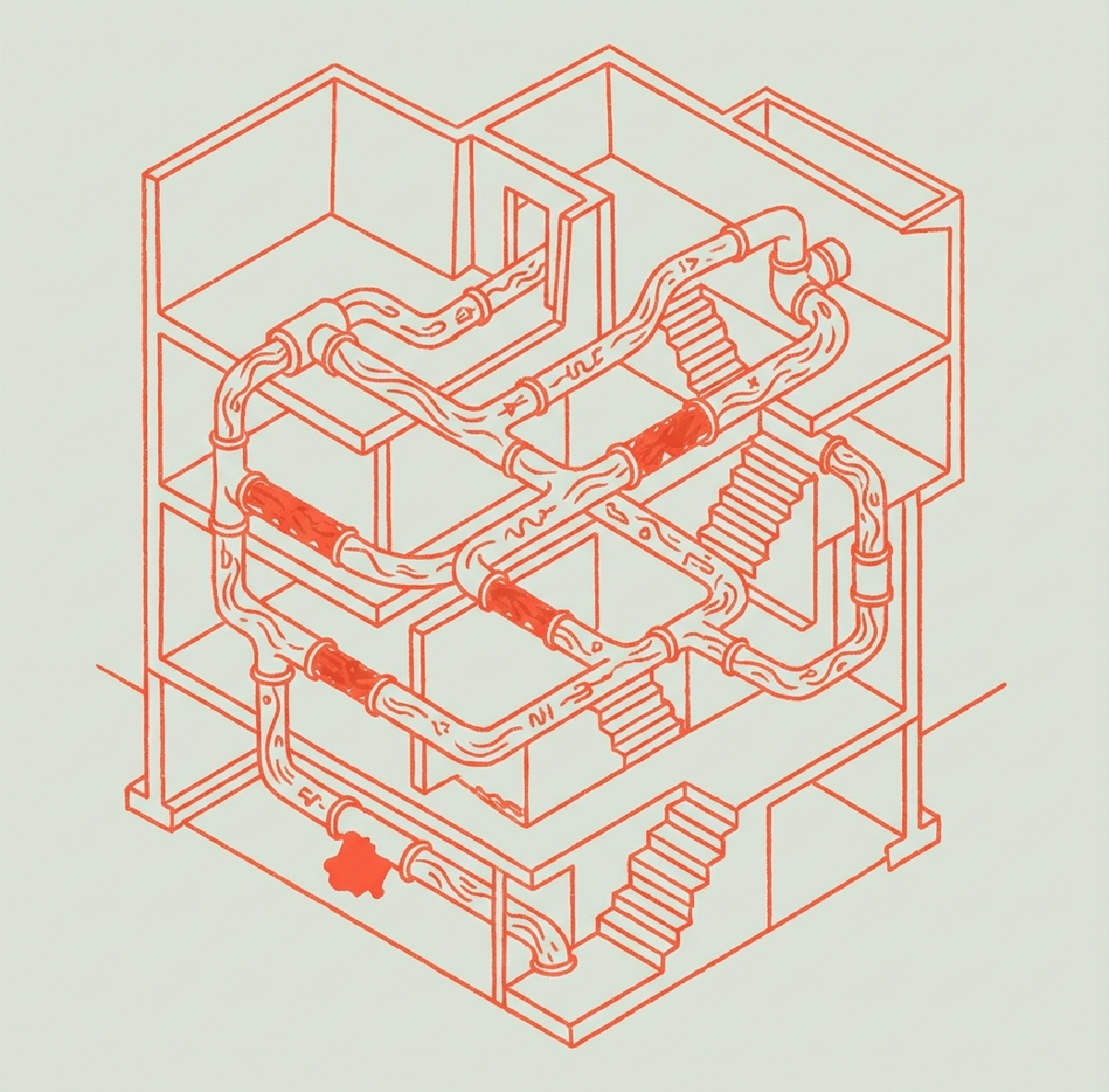
Communication is the operating system of your company. If the OS is buggy, the applications will crash regardless of how well they are written. As you scale from a room of three people to a building of fifty, the signal to noise ratio gets worse. Information degrades as it travels.
We need to look at how to engineer this system to handle the load.
The Spectrum of Truth
#There is a popular concept in the startup world called Radical Transparency. The idea is that you share everything with everyone. You share the bank balance. You share the investor rejections. You share your personal anxieties.
On the surface, this sounds noble. It sounds like you are treating your team as adults.
But there is a difference between transparency and burden transfer. When you dump raw, unprocessed data on a team that does not have the context or the agency to fix the problem, you are not being transparent. You are just spreading anxiety.

Radical Transparency vs. Strategic Context: How to Deliver Bad News
We have to shift from Radical Transparency to Strategic Context. Your job is not to hide the truth. Your job is to frame the truth so it is actionable.
If you lost a major client, do not just walk in and say we are doomed. Explain why it happened. Explain the impact on the budget. Explain the plan to fix it. When you provide the context, you turn fear into a problem solving exercise. You respect their intelligence without wrecking their psychological safety.
The Physics of Politics
#As soon as you hire your tenth employee, you will notice a change. People start acting differently. Decisions that used to be made in five minutes now take three days. You hear whispers about “territory” and “credit.”
Welcome to office politics.
Founders hate politics. They often try to ban it. They say things like “we have a no asshole rule” or “we leave our egos at the door.” But politics is not a personality defect. It is a structural response to ambiguity.

The Pressure Cooker: Managing Politics When There is Nowhere to Hide
Politics happens when resources are scarce and the rules for acquiring them are unclear. If your team does not know how promotions work, they will invent their own game to get promoted. If they do not know how decisions are made, they will lobby you in secret.
The only way to kill politics is to kill the ambiguity. You must be ruthlessly clear about how success is measured. When the path to advancement is transparent and based on data, the incentive to play political games evaporates. You have to design the environment so that collaboration is the only rational strategy for survival.
The Meeting as a Tool
#Now we must look at the mechanism of information transfer. The meeting.
Startups drown in bad meetings. The worst offender is the weekly one on one. Usually, this meeting consists of a manager asking an employee “what are you working on?” and the employee reading a list of tasks they have already done.
This is a waste of capital. You are paying two high salaries to read a to do list out loud.

The One-on-One: Moving from Status Updates to Strategic Coaching
We need to repurpose the one on one. It should not be a status update. It should be a coaching session. The agenda should focus on blockers, career development, and feedback.
You should be asking questions that dig beneath the surface. “Where are you stuck?” “What part of your job is draining your energy right now?” “How can I help you move faster?”
When you move the status updates to email or Slack, you free up this time for high leverage management. You stop being a taskmaster and start being a force multiplier.
Getting the Truth from the Trenches
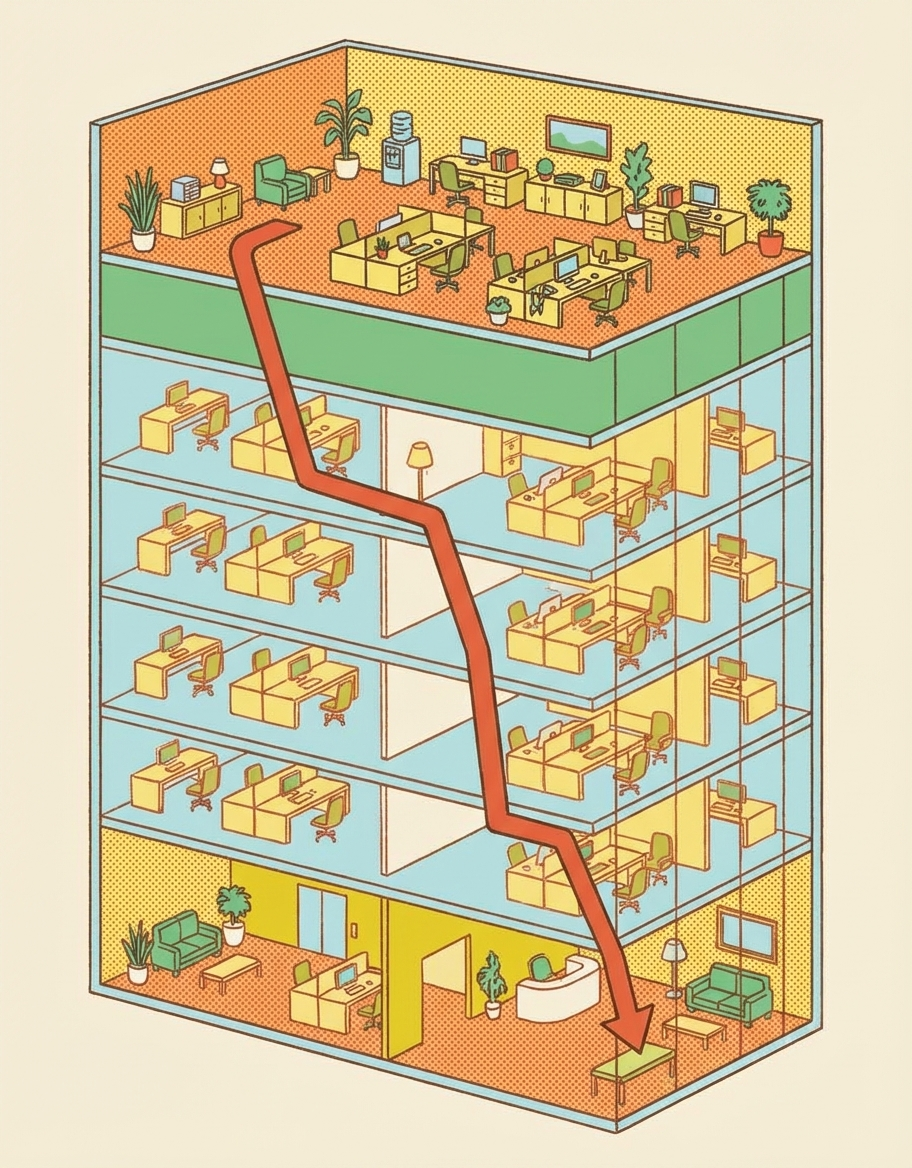
#As you add layers of management, you create a new problem. You are no longer directly connected to the work. Information is filtered through your direct reports before it reaches you.
Middle managers are human. They want to look good. They will naturally soften the bad news and amplify the good news before they pass it up the chain. By the time the data reaches your desk, it is often a distorted version of reality.
You need a way to bypass the filter without undermining your managers.
This is where the Skip Level Meeting becomes essential.
Designing the Skip Level Meeting
A Skip Level is where you meet with the people who report to your direct reports. The goal is not to spy on your managers. The goal is to understand the ground truth.
You ask about the strategy. Does it make sense to them? You ask about the tools. Do they have what they need? You ask about the culture. Is it what you think it is?
These meetings often reveal the structural cracks in your organization long before they show up in the quarterly revenue numbers. They allow you to debug the company from the bottom up.
The Architecture of Clarity
#When we look at these components together, we see a pattern.
Radical Transparency often fails because it lacks context. Politics arises when that context is missing. One on ones fail when they focus on data instead of development. And leadership fails when it gets isolated from the front lines.
The solution is intentionality.
You cannot just hope people understand you. You have to verify it. You cannot just hope people get along. You have to build the rules of engagement.
Communication is not about being charismatic. It is about consistency. It is about building a predictable cadence where information flows freely up and down the chain of command.
When you get this right, the silence in the room changes. It stops being a silence of confusion and fear. It becomes the silence of a team that knows exactly what to do next.