
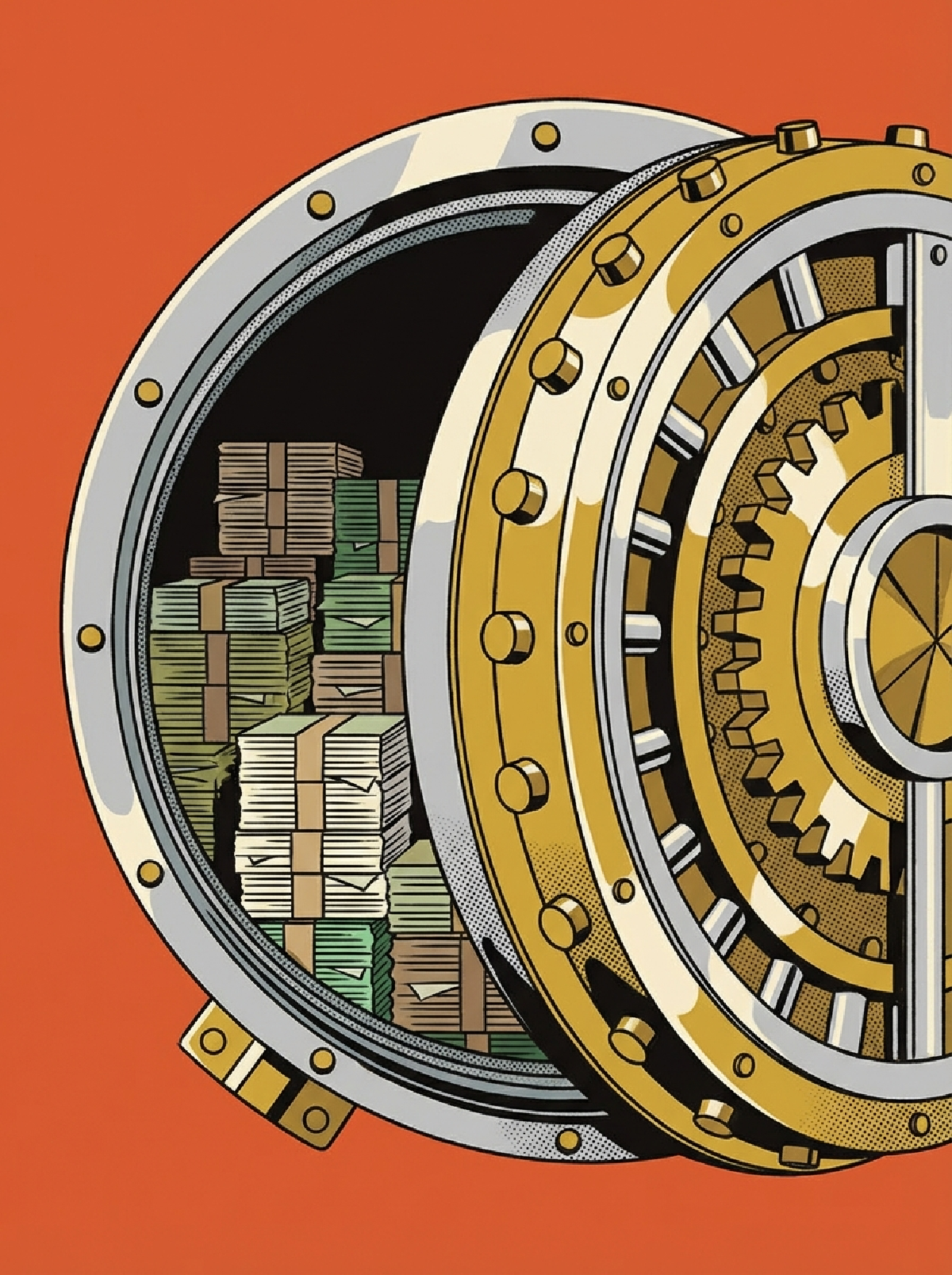

Most founders are obsessed with offense.
We love the product launch. We love the sales call. We love the dopamine hit of a new feature going live. This makes sense because offense is what gets you from zero to one. It is the energy that breaks gravity and gets the rocket off the ground.
But offense is not what keeps you in orbit.
There is a second phase of company building that often gets neglected until a crisis forces it into the spotlight. We call this defense. Or, more accurately, Operational Resilience.
Resilience is not about having a backup hard drive. It is about designing an organization that can absorb a shock and keep functioning. It is about accepting that chaos is the default state of a growing startup and building structures that impose order on that chaos.
If you ignore this, you are building a castle on a foundation of sand. One lawsuit, one resignation, or one server outage can bring the whole thing down.
How do we build a business that is as strong as it is fast?
The Freedom of Documentation
#The most dangerous place for information to live is in your head.
When you are a solo founder, having the entire business logic in your brain is efficient. You do not need meetings. You just act. But as soon as you add a second person, that efficiency becomes a liability.
If you have to explain how to run payroll or how to deploy the code every single time it happens, you are not a CEO. You are a router.
We need to shift our perspective on documentation. Most creative people view documentation as bureaucracy. They see it as paperwork that slows them down.
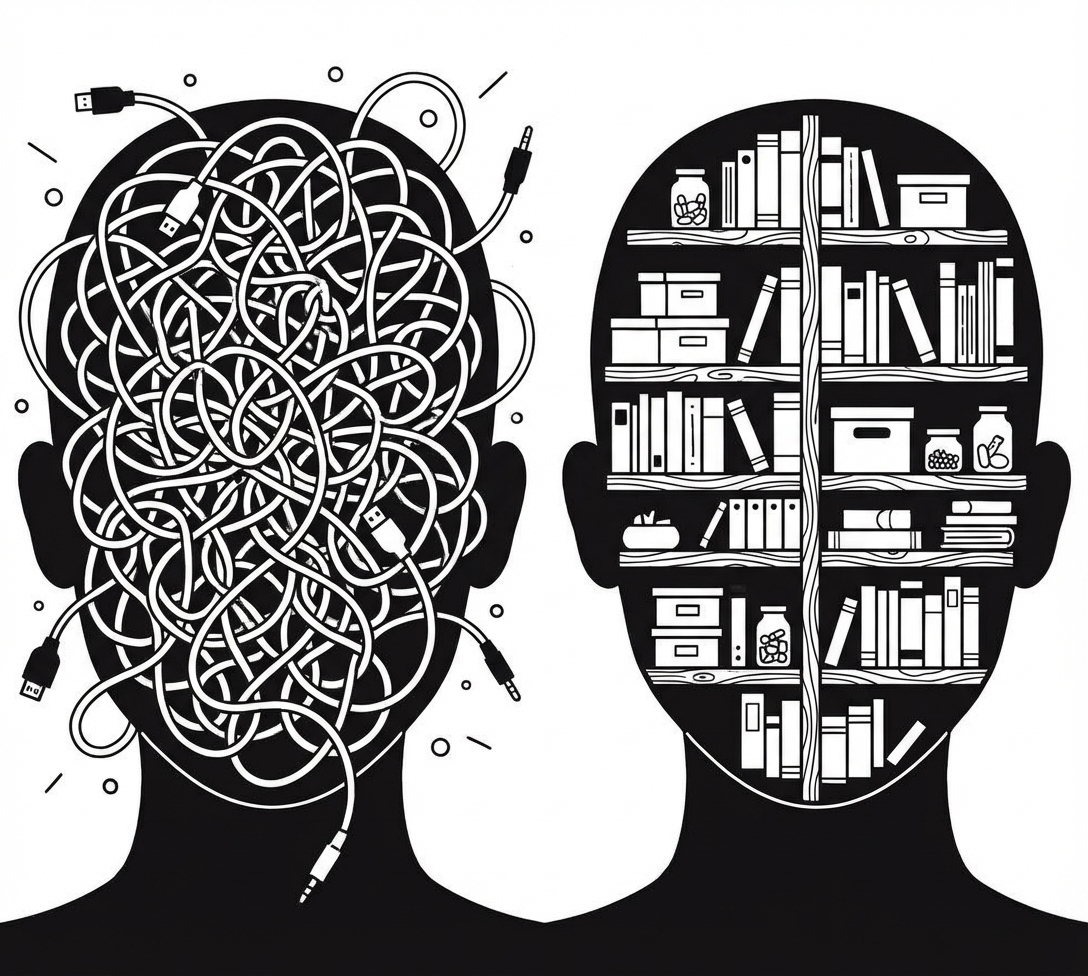
The Exit Strategy in Your Head: Why Process Documentation Is Freedom
In reality, documentation is freedom. When you write down a process, you are exporting a decision you have already made so you never have to make it again. You are creating a manual that allows someone else to operate the machine.
This is the only way to eventually exit the daily operations. If the business cannot run without your constant real time input, you do not own a business. You have a job that you cannot quit.
The Grim Math of Personnel Risk
#Once we accept that information must be shared, we have to look at the structural integrity of the team.
There is a concept in software engineering called the Bus Factor. It asks a morbid but necessary question: How many people would have to get hit by a bus for the project to fail?
In many startups, the answer is one.
If your lead engineer is the only person who has the encryption keys, or if your head of sales is the only person who knows the clients personally, you have a Bus Factor of one.
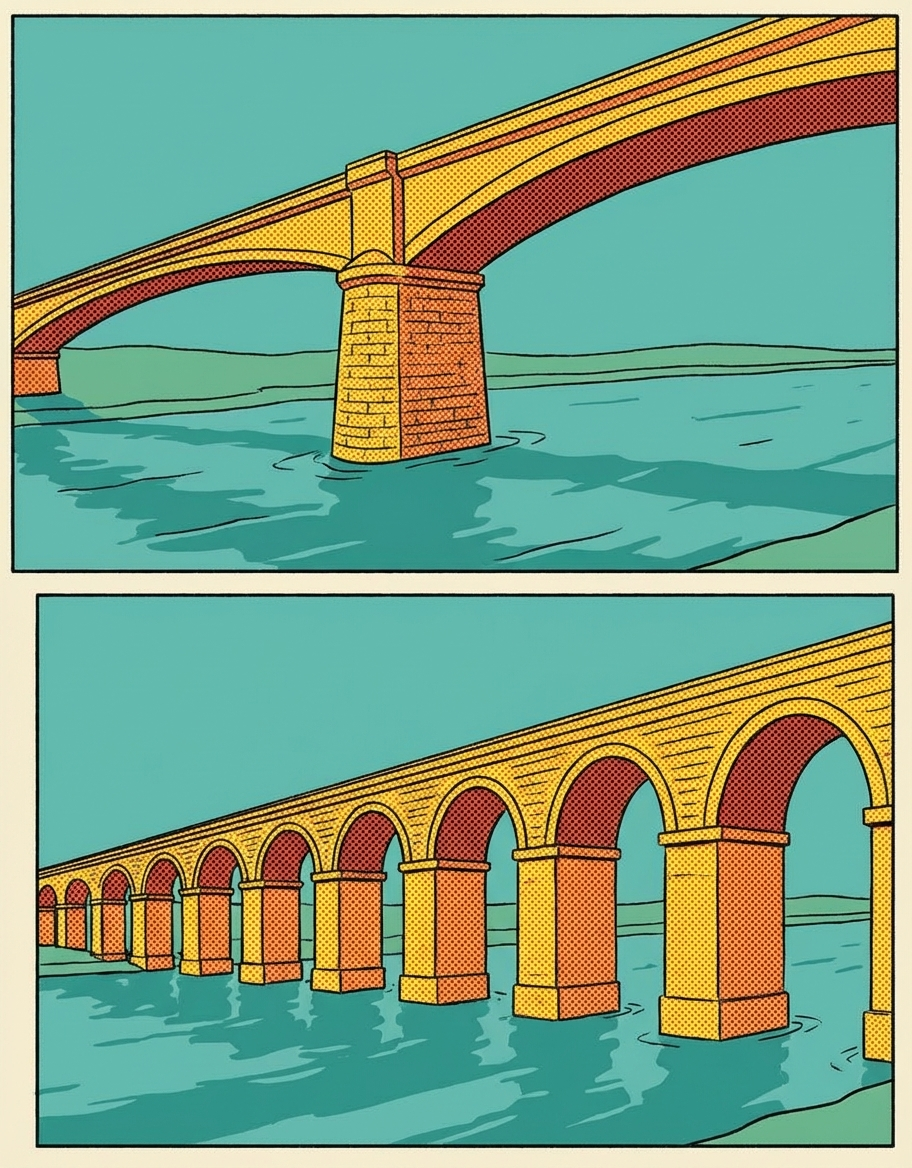
The Bus Factor: The Grim Math of Single Points of Failure
This is a single point of failure. It is a structural weakness that no amount of revenue can fix.
Building resilience means aggressively increasing your Bus Factor. It means cross training. It means shared passwords in secure vaults. It means forcing people to take vacations so we can see what breaks when they are gone.
You cannot prevent people from leaving or getting sick. But you can prevent their departure from being a death sentence for the company.
The Language of Risk
#Now we must turn to the external protections.
Contracts.
For many founders, a contract is just a piece of paper you sign to get the deal done. You glance at the price, you skip the terms and conditions, and you sign on the dotted line.
This is operational suicide.
A contract is not just legal jargon. It is the code that governs your relationship with the outside world. It defines what happens when things go wrong.
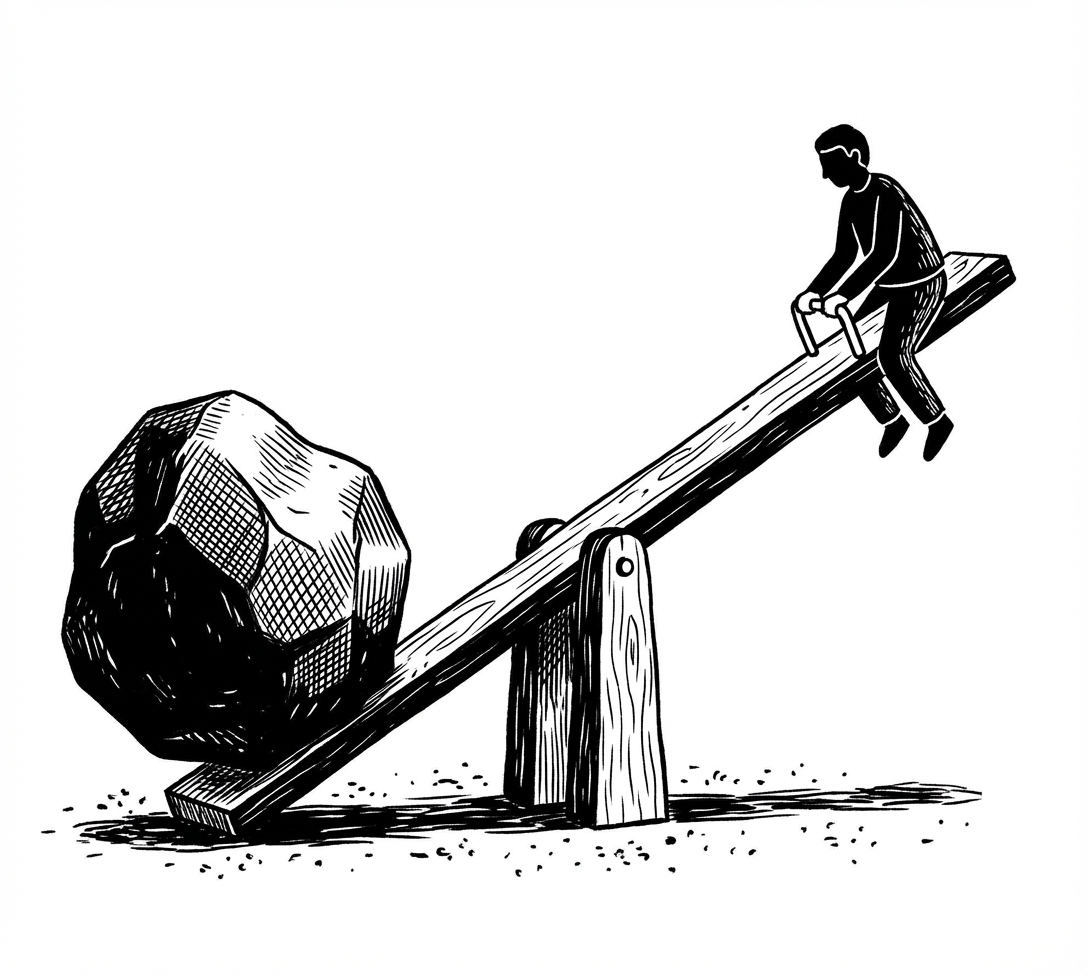
Legal Literacy: How to Read a Contract Without Falling Asleep or Going Broke
You do not need to be a lawyer. But you must be legally literate. You need to understand indemnification. You need to understand termination clauses. You need to understand intellectual property assignment.
If you rely entirely on outside counsel to read every document, you will go broke. If you sign things without reading them, you will eventually sign away your leverage. Learning to read a contract is a basic survival skill for any operator.
Protecting the Invisible Assets
#While we are discussing legal protections, we need to talk about the assets you cannot see.
Intellectual Property.
Startups often race to file patents. Patents are expensive and slow. But there is a step before the patent that is free and immediate.
The Invention Disclosure Document.
This is an internal document where you record exactly what you invented, when you invented it, and who was involved. It serves as a timestamped proof of your innovation.
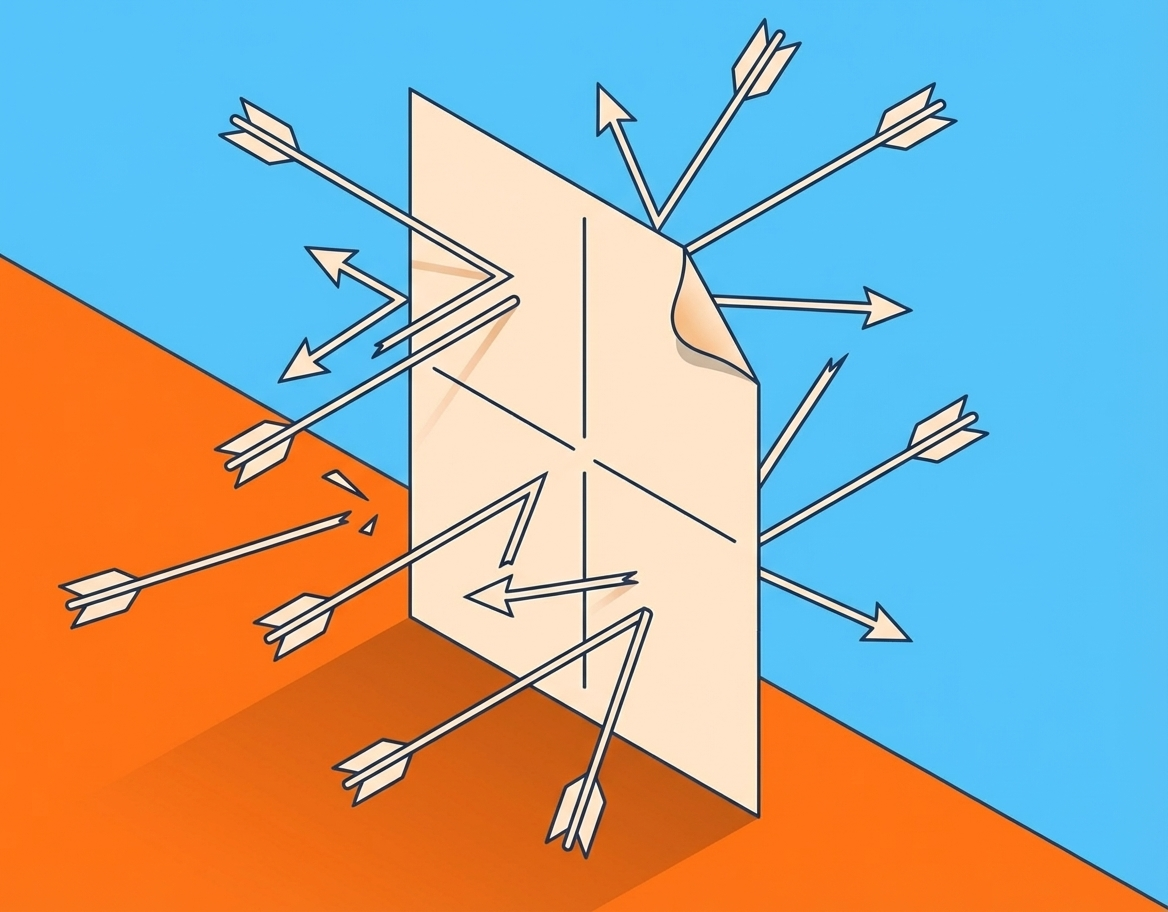
The Paper Shield: Why You Need Invention Disclosure Documents
Why does this matter? Because in a dispute, the person with the best paper trail usually wins. If a cofounder leaves and claims they invented the core algorithm, this document is your shield.
It is a boring administrative task that provides massive strategic value. It turns your ideas into tangible assets that can be defended.
Designing for the Future
#Finally, operational resilience is about the long term architecture of the business.
In software, we talk about Legacy Code. This is code that is old, vital, and difficult to change. But business processes become legacy code too.
The hasty decisions you make today about how to structure your database or how to organize your sales team will calcify. They will become the “way we do things” for years to come.
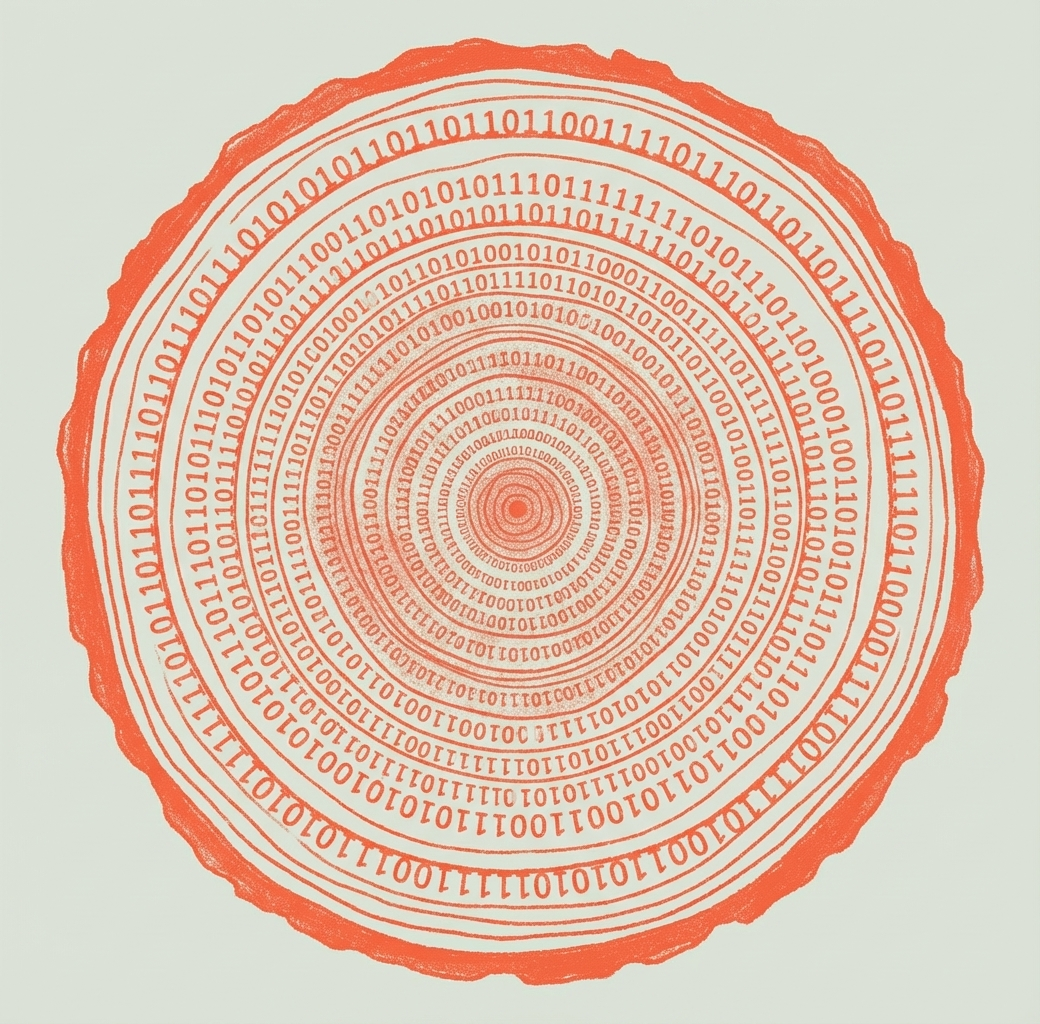
Legacy Code: Designing a Business That Outlives You
We have to ask ourselves a difficult question. Are we building a system that is easy for us to run today, or are we building a system that can outlive us?
Resilience requires us to pay down our operational debt. It requires us to refactor our bad processes before they break. It requires us to build with the assumption that we will not be here forever.
The Boring Path to Victory
#None of this is sexy.
Writing documentation is not fun. Reading contracts is dry. Planning for your lead engineer to quit is depressing.
But this is the work that separates the amateurs from the professionals.
Amateurs rely on luck and heroism. They hope nothing breaks, and when it does, they pull an all nighter to fix it. Professionals rely on systems. They build resilience into the foundation so that when the chaos comes, and it always comes, the structure holds.
You want to build something world changing?
Make sure it is solid enough to survive the world.