

Building a startup requires more than just a good product idea. It requires a commitment to clear and honest communication across every layer of the organization. As a company grows from a small team in a garage to a structured business with multiple departments, the risk of information silos increases. Founders often find themselves insulated from the day to day realities of their front line staff. At the same time, the way a startup communicates with its customers must evolve. It is no longer enough to list features. You have to communicate value. This summary looks at recent insights on how to maintain a pulse on your internal culture while refining your external sales pitch. By mastering these two areas, you can ensure that your team stays aligned and your customers stay engaged.
Bridging the Gap With Skip Level Meetings
#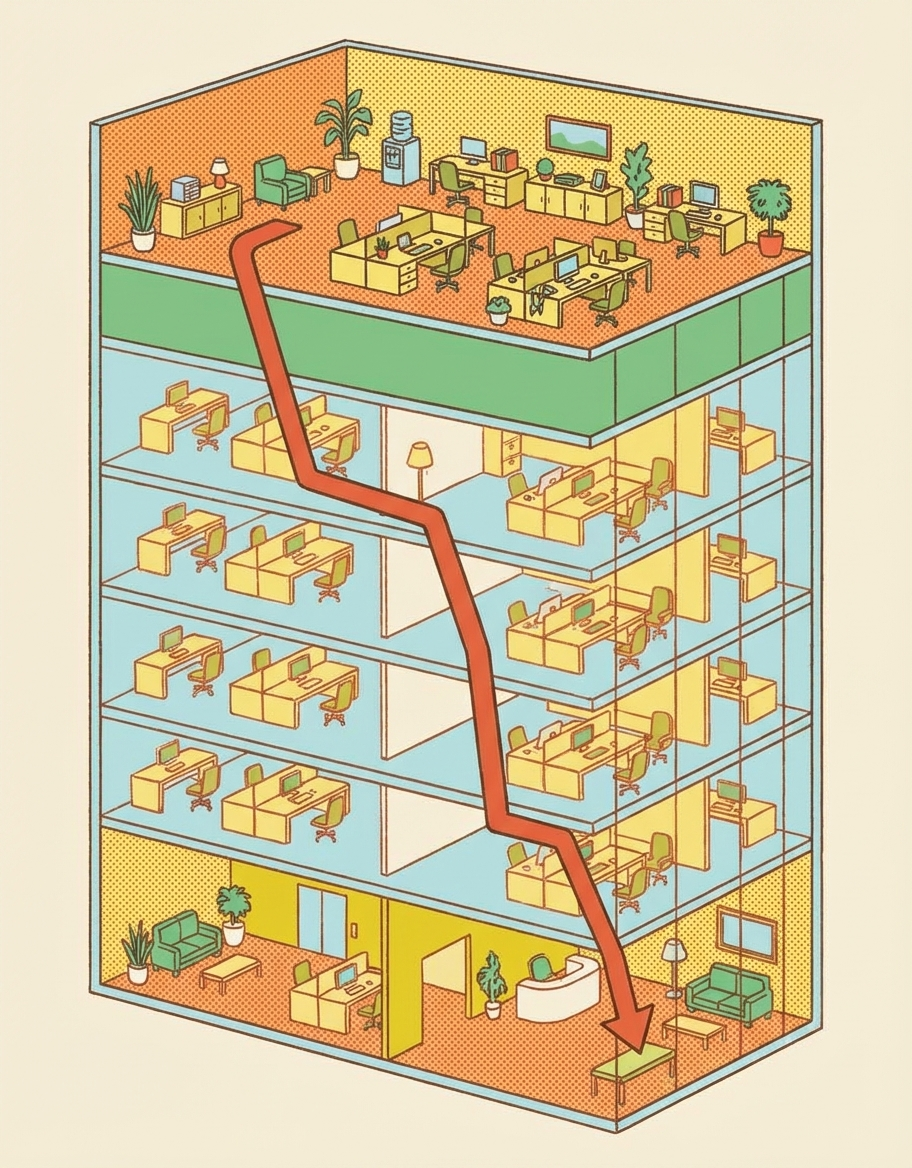
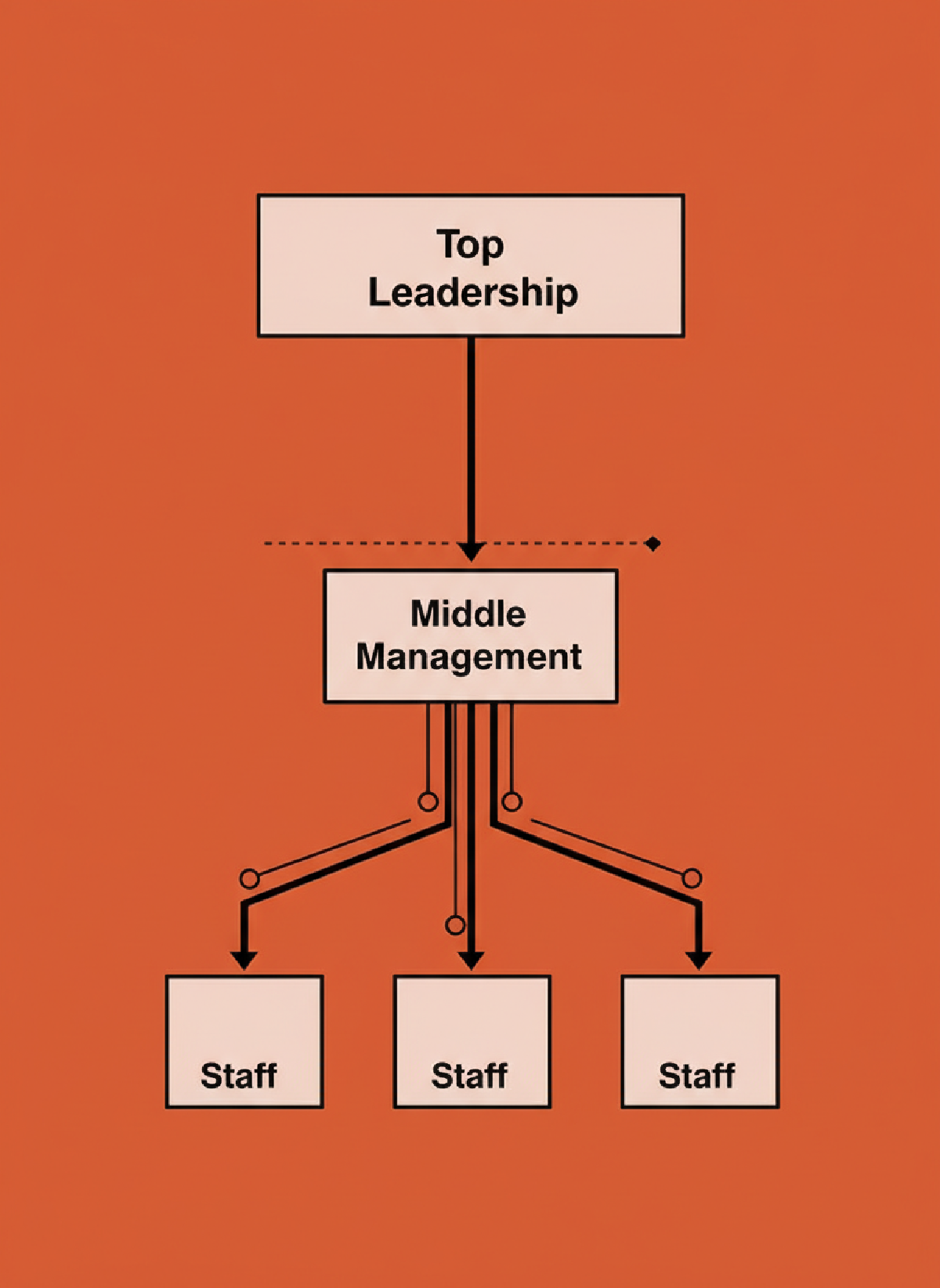
As organizations scale, the distance between the founder and the individual contributor grows. This distance can lead to a lack of transparency and a misunderstanding of the company vision. A skip level meeting is a structured conversation where a senior leader meets with employees who report to their direct reports. The goal is not to micromanage or go around the middle manager, but to gather raw feedback and build psychological safety. These meetings provide a unique vantage point into the health of the organization that you simply cannot get from a spreadsheet or a weekly status update.
When designing these meetings, it is vital to create a space where employees feel safe to share their honest thoughts. You should focus on asking open ended questions about what is working and what is getting in the way of their success. The information gathered here allows a founder to see patterns that might be hidden by layers of management. It also helps employees feel seen and heard by the top leadership, which is a significant factor in long term retention and morale. To get the most out of this practice, you must be prepared to listen more than you speak.
Learn more about this strategy here: read more about skip level meetings
Addressing Internal and External Communication Weaknesses
#Every startup has communication weaknesses that can stall growth if left unaddressed. Internally, the biggest risk is the breakdown of trust. If skip level meetings are perceived as a way to spy on managers, they will do more harm than good. To fix this, leaders must be transparent with middle management about why these meetings are happening. They should frame them as a tool for organizational health rather than a performance audit. Consistency is also a common failure point. Starting a skip level program and then abandoning it after two months sends a signal that the feedback of the employees does not truly matter.
On the external side, the primary weakness is often a lack of clarity in the sales process. Founders who are too close to the product often struggle to simplify their message. This leads to long, confusing demos that leave potential customers feeling overwhelmed. The solution is to implement a strict feedback loop after every sales call. Ask the prospect what parts of the demo were confusing or what parts felt irrelevant. By constantly pruning away the fluff and focusing on high impact pain points, the startup can sharpen its competitive edge. Communication is a skill that must be practiced and refined just like coding or financial modeling.
Embracing Movement Over Theoretical Debate
#In the startup world, there are many unknowns regarding the best way to structure an organization or pitch a product. It is easy to spend weeks debating the perfect frequency for meetings or the ideal slide deck for a demo. However, the true power of a startup lies in its ability to move and learn from action. It is far better to conduct a flawed skip level meeting and learn from the interaction than to spend a month debating the meeting’s agenda. Movement provides data that debate simply cannot produce.
When you are faced with uncertainty, the best path forward is to test your assumptions in the real world. If you do not know if your demo is working, go perform it for five people and watch their reactions. If you do not know if your team is aligned, go talk to them directly. The difficulties of actually doing the work are immense, but they are the only things that lead to building a solid and remarkable business. Critics can spend their time analyzing the best ways to communicate, but founders build value by actually communicating. Focus on the work, gather the facts, and keep the momentum going. This bias toward action is what separates lasting companies from those that fade away.